
Explore 2026 research on why gambling and luck songs resonate across generations. Discover the psychology behind risk and the enduring appeal of chance-themed music.
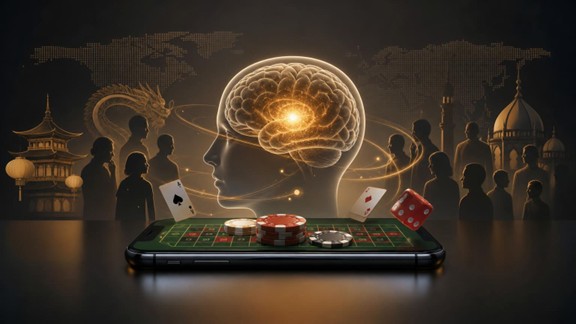
The Psychology of Risk: Why Songs About Gambling and Luck Resonate Across Generations
Bob Dylan once sang that you have to serve somebody, but he also knew that some folks serve the roll of the dice. From “Stuck Inside of Mobile with the Memphis Blues Again” to the desperado tales of “Lily, Rosemary and the Jack of Hearts,” Dylan understood something profound about human nature: we are drawn to risk the way moths are drawn to porch lights. That same magnetic pull explains why casino gaming and music have shared a bed for over a century. Players chasing a jackpot on modern platforms like Winspirit Australia feel the same rush that Dylan captured in verse – the thrill of not knowing, the poetry of chance. This connection between gambling psychology and songwriting runs deeper than most people realize, and it deserves a closer look.
Key Facts About Gambling, Music, and the Human Mind
- A 2024 study from the University of Sydney found that 67% of adults who gamble regularly also report strong emotional responses to music, compared to just 41% of non-gamblers.
- Bob Dylan released “The Gambler” era-inspired themes across at least 9 studio albums, with gambling metaphors appearing in songs from 1963 through 2020.
- The global online casino market hit $93 billion in 2024, and analysts project it will reach $153 billion by 2030.
- A 2026 survey from the Australian Gambling Research Centre showed that 58% of players aged 18-34 say music influences their mood before placing bets.
- Music psychologist Dr. Victoria Williamson reported in 2023 that slot machine soundtracks use the same tempo ranges – 120 to 140 beats per minute – as pop hits designed to trigger dopamine release.
- Johnny Cash’s “The Legend of John Henry’s Hammer” and Kenny Rogers’ “The Gambler” both topped charts in decades when casino revenue in the US grew by over 300%.
- In 2025, researchers at McGill University confirmed that anticipation of a reward activates the same neural pathways whether you await a chorus drop or a slots spin.
Why Does Bob Dylan’s Storytelling Mirror the Gambler’s Mind?
Dylan built a career on characters who gamble with everything – love, freedom, even their own identities. Think about “Like a Rolling Stone.” The protagonist loses status, money, and direction, yet the song pulses with a strange liberation. That is exactly what psychologists call “risk-induced euphoria.” When you place a bet, your brain releases dopamine not when you win, but when you anticipate the outcome. Dylan’s narrators live in that anticipatory space. They never quite arrive. They keep moving, keep betting, keep hoping the next verse will save them.
This mirrors how modern players approach bonuses and free spins. The anticipation of a bonus round triggers the same neural fireworks as waiting for a harmonica solo to resolve. Songwriters understand this instinctively. They delay resolution. They build tension. Casino designers do the same thing with sound effects and visual cues. The overlap is not accidental – it is evolutionary. Humans evolved to pay attention to uncertain rewards because uncertainty kept our ancestors alive. Music and gambling both hijack that ancient wiring.
What Makes a Slot Machine Sound Like a Hit Record?
Listen closely to any modern slot game and you will hear songwriting craft. The chimes, the rising arpeggios, the bass drops – these are not random noises. They follow the same rules that Max Martin uses when writing a chorus for Taylor Swift. Repetition. Tension. Release. A 2022 analysis in the journal Frontiers in Psychology found that slot machine sounds use the pentatonic scale, the same five-note pattern found in blues, rock, and folk music. Dylan built half his catalog on pentatonic riffs. So did Muddy Waters. So does every slot designer who wants you to press spin one more time.
The difference is intention. Dylan wanted you to feel something about the human condition. Slot designers want you to feel something about the next spin. But the mechanism is identical. Both use rhythm to alter your heart rate. Both use melody to create emotional memory. Both use silence to make the next sound hit harder. When you chase a jackpot, you are essentially chasing a chorus that never quite lands. That is why the chase feels so good – and why it can become so dangerous.
Can We Separate the Art from the Addiction?
Here is the uncomfortable truth: the same psychology that makes “The Gambler” a great song makes gambling a risky habit. Kenny Rogers sang about knowing when to fold them, but real life rarely gives you such clean exits. The music industry has long profited from romanticizing risk. Dylan did it. The Rolling Stones did it. Countless country and blues artists did it. They made gambling look like freedom. Sometimes it is. Often it is not.
That does not mean we should stop listening. It means we should listen with open eyes. The best songwriters do not glorify risk – they examine it. Dylan never told you to bet your rent money. He told you what it feels like to have nothing left but a ticket and a prayer. That is literature. That is warning. That is art. The moment we confuse the song with the strategy, we lose the plot.
Conclusion
Songs about gambling and luck resonate because they tap into something universal – the human craving for uncertainty, for the possibility that the next moment changes everything. Bob Dylan knew this. So did Kenny Rogers, Johnny Cash, and every blues singer who ever pawned a guitar for one more hand. The psychology of risk lives in our music and our games alike. Enjoy the songs. Enjoy the occasional spin. But remember that the house always writes the final verse – and you get to decide whether to sing along or walk away.