By Aaron Galbraith and Tony Attwood
https://m.youtube.com/watch?v=xamFHlljFnY
Allen Toussaint, who wrote Freedom for the Stallion, was born in 1938 and died in 2015. He was a songwriter, musician, arranger and record producer, and a major figure in New Orleans rhythm and blues music. He was also recognised for his contribution to music through the award of the National Medal of Arts.
Bob Dylan was far from the only major musician to record one of Toussaint’s songs – and depending on your age, background and tastes, you will surely have heard at least one of his compositions such as “Working in a coal mine”, “Mother-in-law”, “I like it like that,” “Whipped Cream”, “Java”, “Fortune Teller”, “Ride Your Pony”, “Get Out of My Life, Woman”, “Everything I Do Gonna Be Funky”, “Southern Nights”…. there are many more.
And he was a producer of a vast number of records, including “Right Place, Wrong Time”.
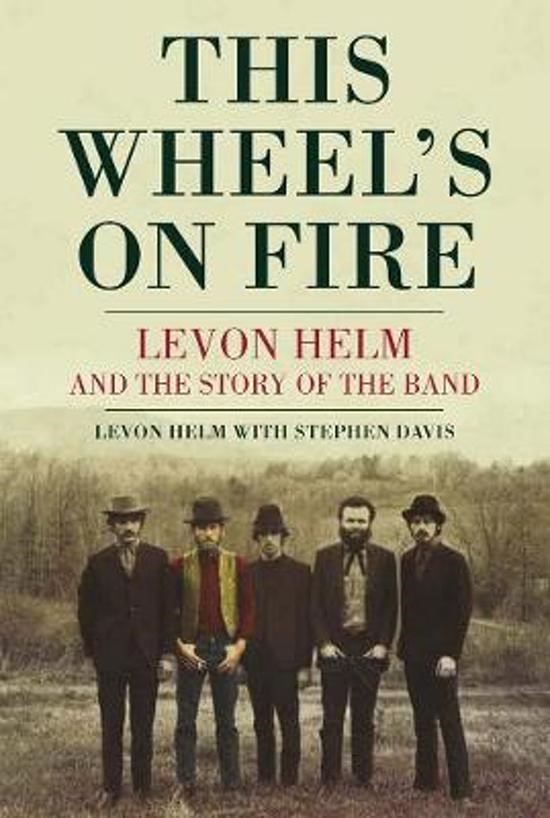
If that were not enough for one life, Toussaint was also an arranger including arranging the horns for Paul McCartney and Wings’ “Venus and Mars” album, as well as for The Band’s “Cahoots” album…
Going on further still he also worked on the Rock Of Ages tour and resultant live album and also The Last Waltz… all of which suggests that Bob Dylan would have had every chance to get to know him and his work well.
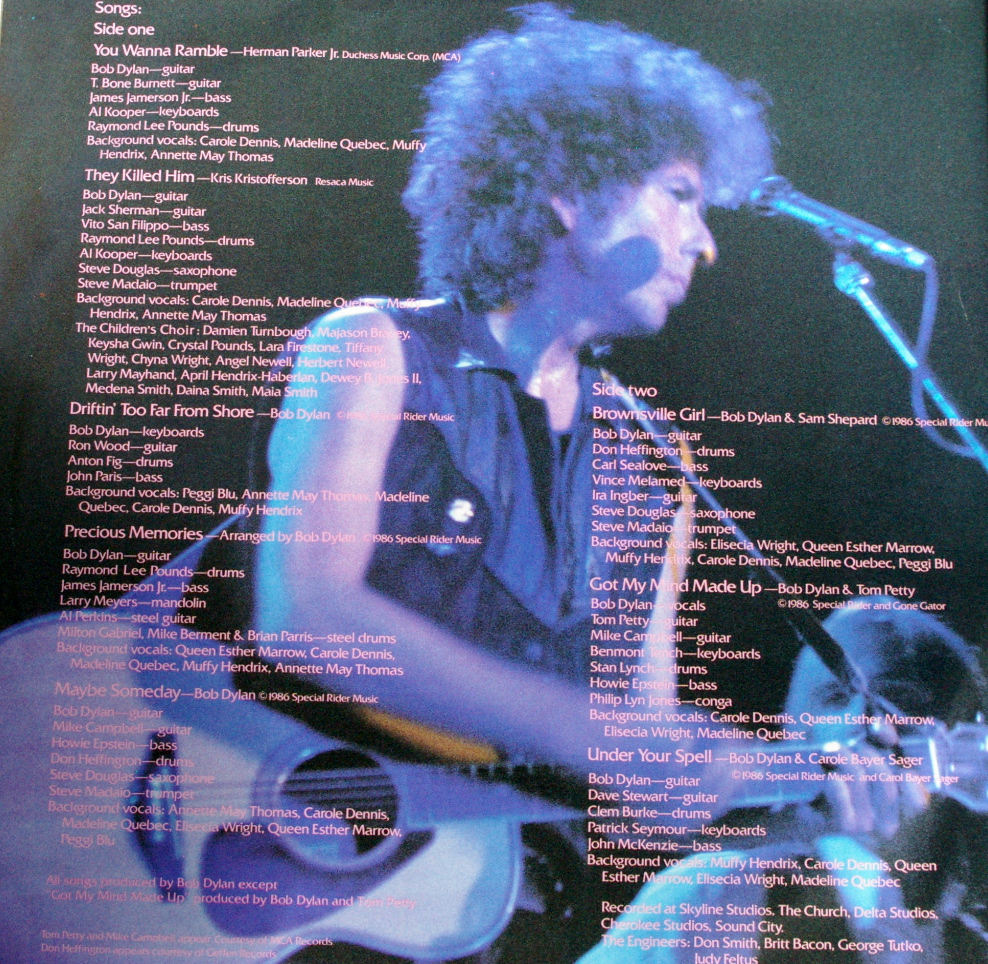
Bob Dylan recorded his version of Freedom for the Stallion in June 1985 during the Empire Burlesque sessions, although there is nothing to say it was ever seriously considered for inclusion.
Toussaint in Stockholm, 2009

In 2006 he made The River in Reverse, an album with Elvis Costello, the recording being the first major work recorded in New Orleans after the hurricane. The following year he performed “I want to walk you home” as a duet with Paul McCartney for the Tribute to Fats Domino album. From there on he performed alongside many top musicians although as he said, “I never thought of myself as a performer…. My comfort zone is behind the scenes.”
Here are the lyrics…
Freedom for the stallion
Freedom for the mare and her colt
Freedom for the baby child
Who has not grown old enough to vote
Lord, have mercy, what you gonna do about the people who are praying to you?
They got men making laws that destroy other men
They’ve made money God
It’s a doggone sin
Oh, Lord, you got to help us find the way
Big ship’s a-sailing, slaves all chained and bound
Heading for a brand new land that some cat said he upped and found
Lord, have mercy, what you gonna do about the people who are praying to you?
They got men making laws that destroy other men
They’ve made money God
It’s a doggone sin
Oh, Lord, you got to help us find the way
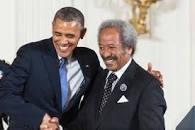 In 2012 Allen Toussaint was given the National Medal of Arts during a ceremony in the East Room of the White House.
And so to answer our opening question, in recording the song Bob was looking to recognise and honour one of the great men of American music, and perhaps looking for one of Toussaint’s slightly lesser known songs.
And as to why this song, we might suggest the lines
Lord, have mercy, what you gonna do about the people who are praying to you?
They got men making laws that destroy other men
They’ve made money God
It’s a doggone sin
Oh, Lord, you got to help us find the way
probably contain the reason. It is, after all, powerful stuff.
But musically it is not typical Dylan, and it may be that after the recording he simply felt he was not doing the song justice. But it does contain the sort of message that Bob liked.
In 1985 when Dylan’s recording was made he himself wrote
- Maybe Someday (Knocked out loaded)
- Seeing the real you at last (Empire Burlesque)
- I’ll remember you (Empire Burlesque)
- Trust Yourself (Empire Burlesque)
- Emotionally Yours (Empire Burlesque)
These are very different songs from Freedom for the Stallion, and clearly Bob was looking for other routes to take. Indeed our complete index of songs written in that year shows no less than 27 songs, but nothing that seems to be looking in the same direction as this song. It clearly appealed to Bob, and clearly Allen Toussaint is a man Bob would know and like, but I suspect in the end taking on this song was a step too far.
A third verse of the song is reported in some quarters, and we have not worked through each and every recording of the song to see who used it. Dylan did not, but here it is
Some sing a sad song
Some got to moan the blues
Trying to make the best of a home
That the man didn’t even get to choose
Lord, have mercy, how you gonna be with people like John and me
They’ve got men building fences to keep other men out
Ignore him if he whispers and kill him if he shouts
Oh, Lord, you got to help us find the way
Oh, Lord, you got to help them find the way
Oh, Lord, you got to help us find the way
What else is on the site?
We have a very lively discussion group “Untold Dylan” on Facebook with over 3600 active members. (Try imagining a place where it is always safe and warm). Just type the phrase “Untold Dylan” in, on your Facebook page or follow this link
You’ll find some notes about our latest posts arranged by themes and subjects on the home page of this site. You can also see details of our main sections on this site at the top of this page under the picture.
The index to all 601 Dylan compositions and co-compositions that we have found on the A to Z page.
If you are interested in Dylan’s work from a particular year or era, your best place to start is Bob Dylan year by year.
On the other hand if you would like to write for this website, or indeed have an idea for a series of articles that the regular writers might want to have a go at, please do drop a line with details of your idea, or if you prefer, a whole article to Tony@schools.co.uk
And please do note our friends at The Bob Dylan Project, which lists every Dylan song in alphabetical order, and has links to licensed recordings and performances by Dylan and by other artists, plus links back to our reviews (which we do appreciate).